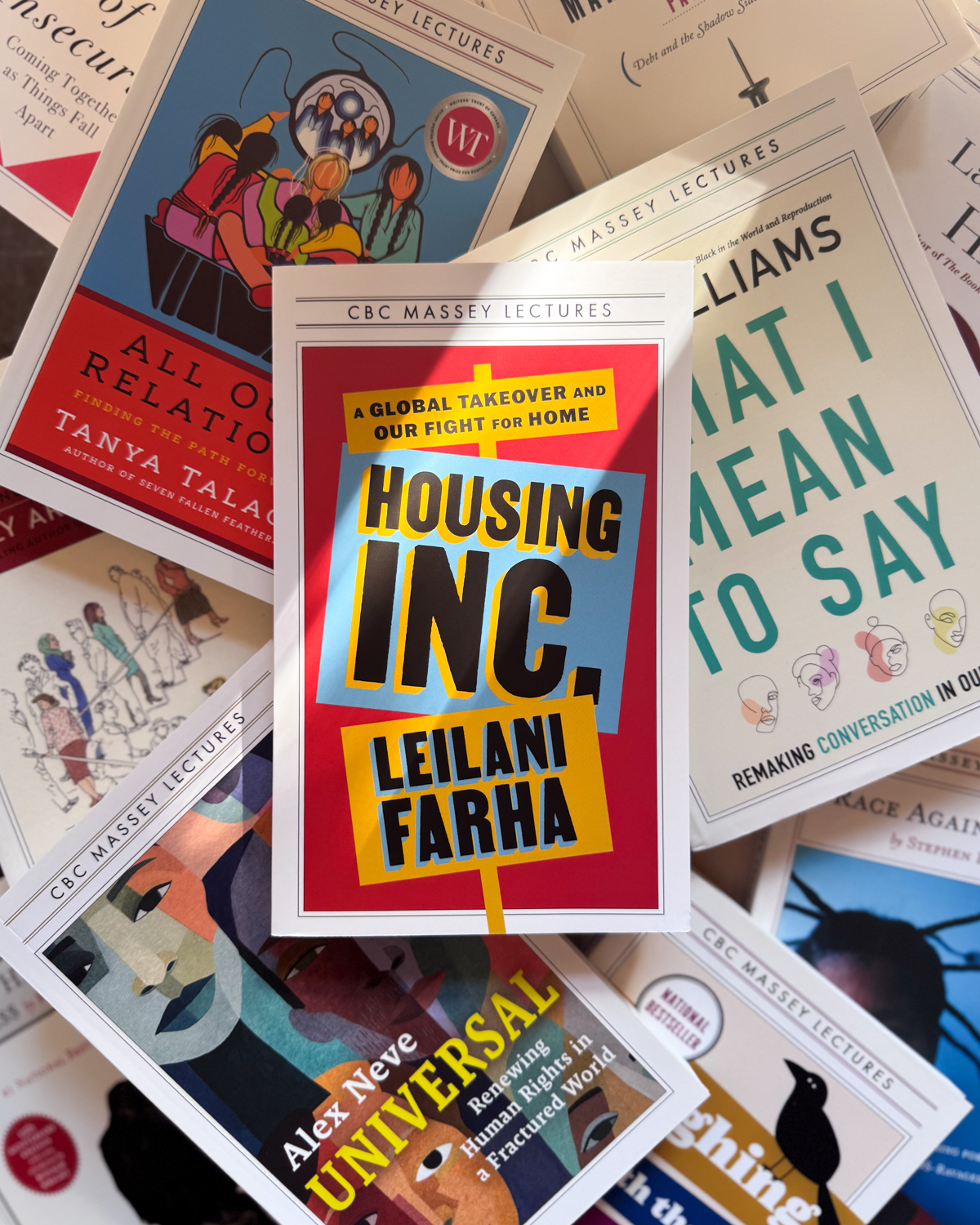
The
Big Con
Around the world, people are told that housing is a ladder; climb hard enough and you’ll reach security. But that ladder has been quietly redesigned. Housing has become the largest store of wealth on the planet, engineered to serve investors, not inhabitants.
Read more about the problem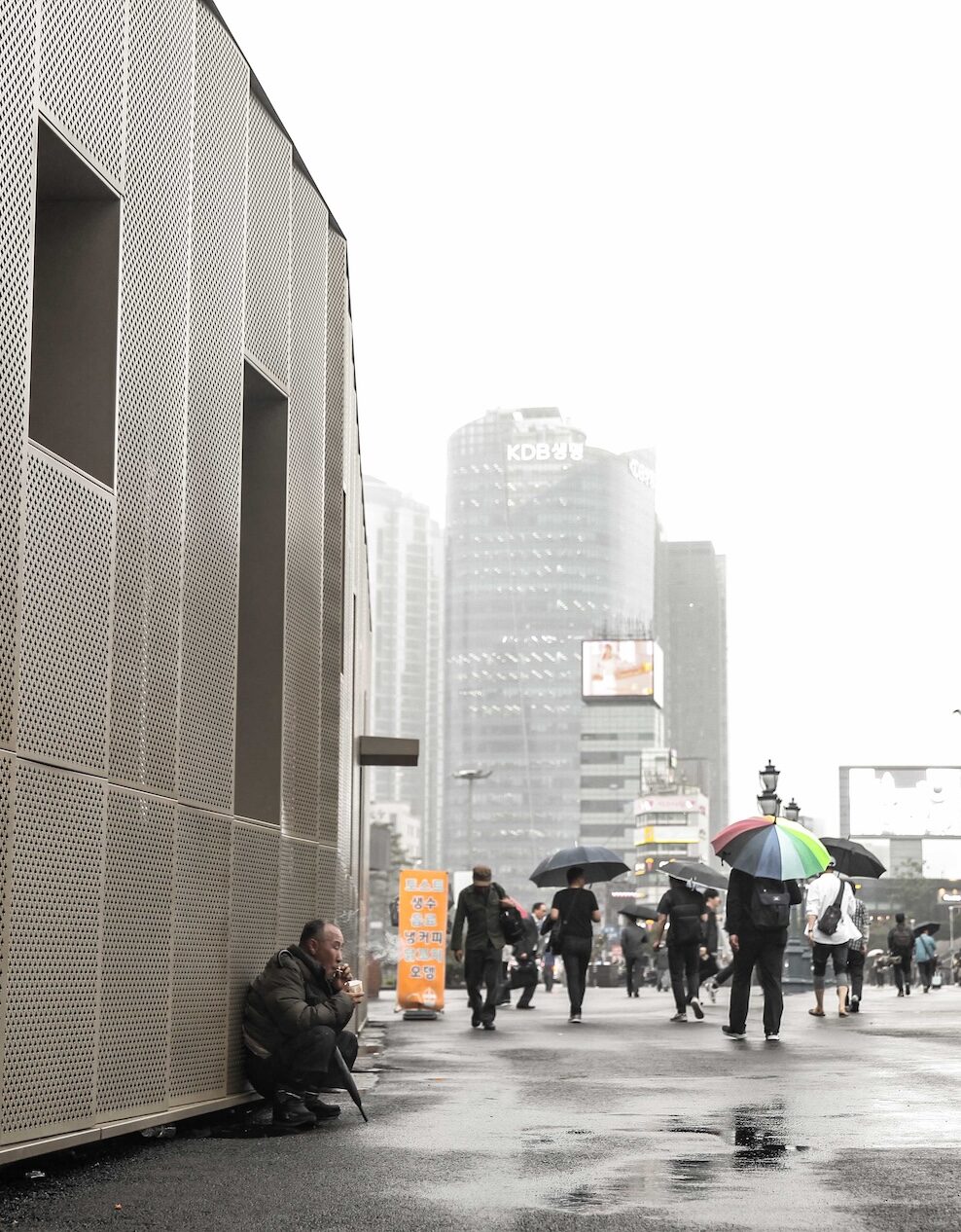
The Shift exists to change the system that prioritizes profit over people. Our work on the Big Con is fundamentally about narrative and knowledge: naming what has actually happened to housing, tracing the policy and financial decisions that made it happen, and building the public and political understanding needed to make a different path possible. We know that systems only change when enough people understand why the current one isn’t working, and stop believing they’re the problem.
We develop and disseminate the research, frameworks, and public-facing arguments that expose the logic underneath the crisis. We work with governments, advocates, and communities around the world to build the legal, political, and financial tools needed to reorient housing around people rather than profit. And we build coalitions across sectors, because the con only works in isolation. Together, we can change the rules.

Climate Crisis & Housing
The housing crisis and the climate crisis share the same root: a system that treats shelter and the planet as resources to extract from rather than to protect.
Read more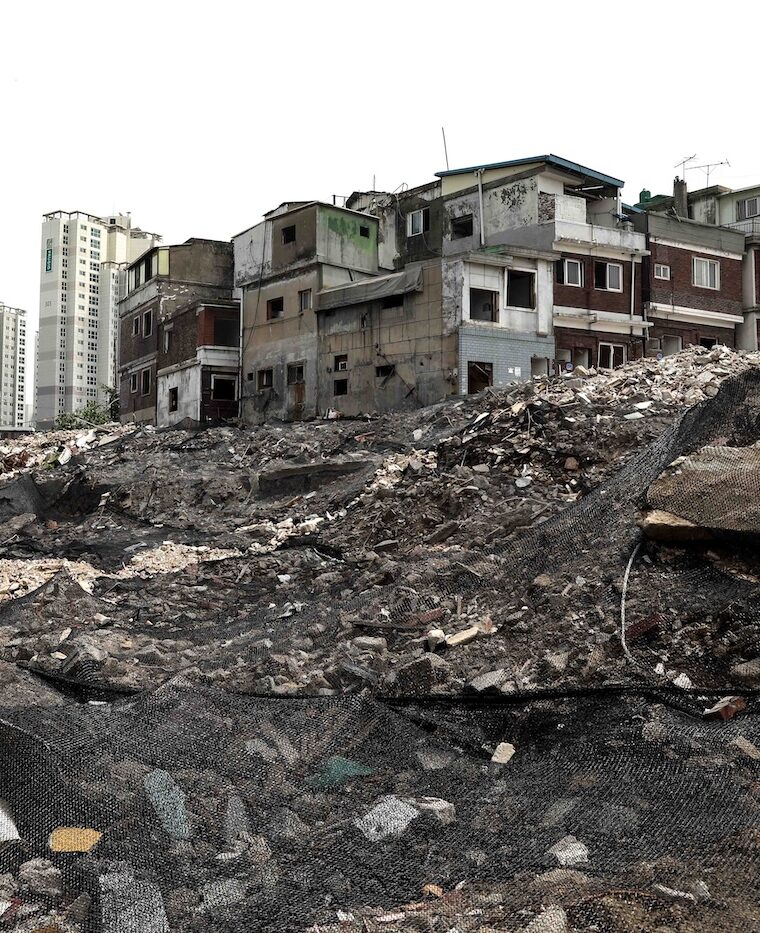
The Shift’s work on housing and climate starts from a different question than most. Rather than asking how to build more, faster, we ask what it would look like to make far better use of what already exists. The greenest building is the one already built. Preservation, retrofit, adaptive reuse, and the return of vacant homes to active use are not just climate strategies. They are housing strategies. We work to make that case in policy and in practice.
We engage investors and governments to align real estate finance with both affordability and climate goals; not as competing priorities, but as interdependent ones. We work with cities to embed human rights within their urban climate strategies, helping them map housing need, audit existing assets, and design solutions that cut emissions while securing adequate homes for all. And we build the narratives and evidence that challenge the assumption that the only path forward is to build our way out.
The housing and climate crises are inextricably linked.
Housing is a major contributor to climate change with buildings constituting 40% of global energy consumption.
Housing is a major contributor to climate change with buildings constituting 36% of greenhouse gas (GHG) emissions (21% from housing alone) and 40% of global energy consumption.
Europe builds 15 million homes a year, yet housing inequality is rising—over 700,000 people are homeless, and rents have surged up to 40% in cities like Berlin and Lisbon, outpacing incomes.
Large numbers of households live in sub-standard housing and 35 million suffer from energy poverty.

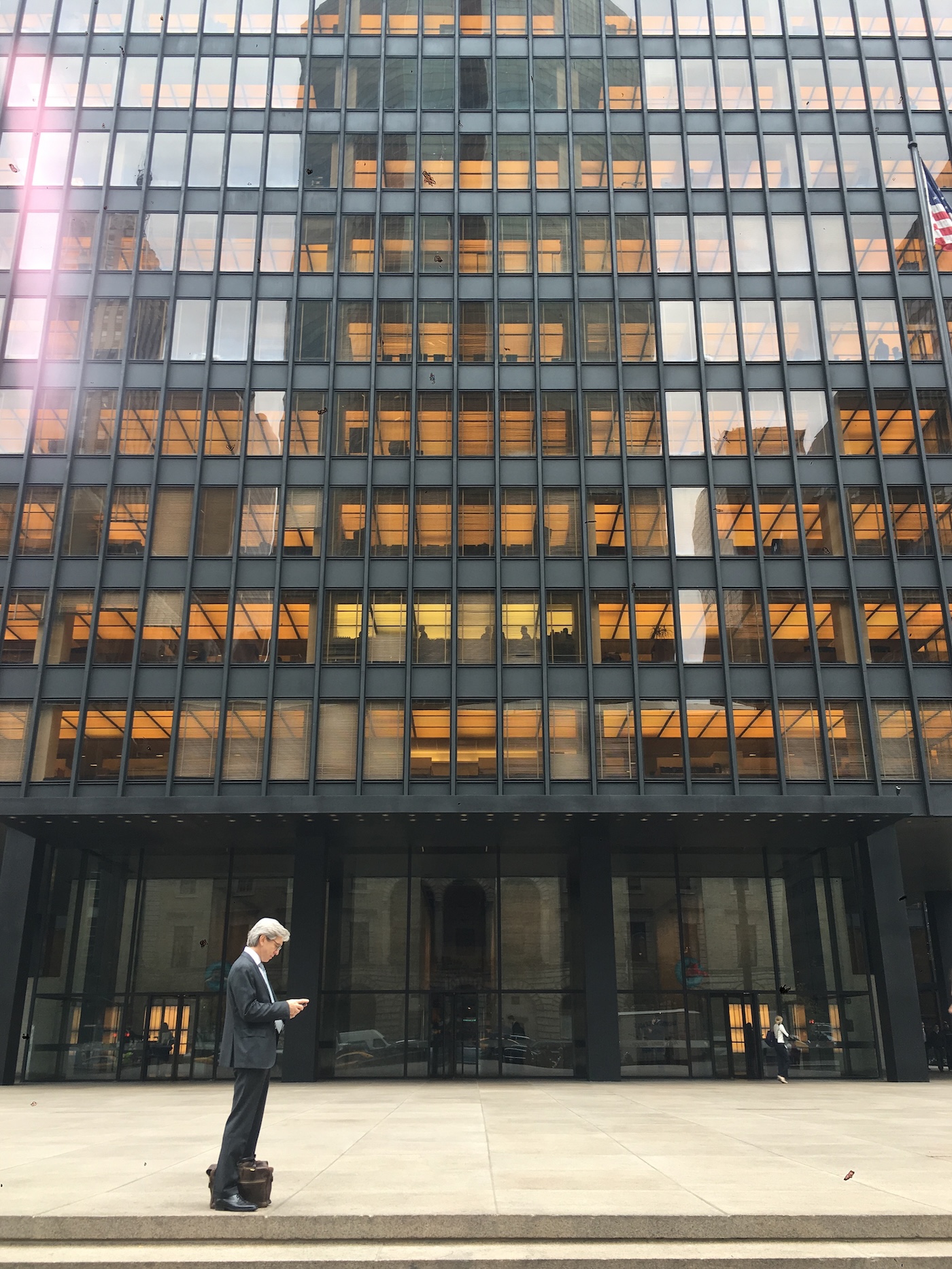
The Corporate Capture of Housing
When housing becomes a financial product, the consequences are predictable: rents rise, evictions climb, maintenance falls, and entire markets are reshaped around the logic of extraction rather than the needs of people.
Read moreThe Shift works to undo that logic of extraction. Our approach centers on reimagining what cities could look like if housing were genuinely governed for people, and building the practical frameworks to get there. We combine rigorous research into how financialization operates with concrete advocacy for the policies and regulations that can contain and redirect it.
We work with governments to design and implement legal and policy tools, from investor guidelines to tenancy protections, that bring housing back within a human rights frame. We produce evidence on the individual and systemic impacts of corporate capture, working with affected communities to surface what financialization actually looks like on the ground. And we engage directly with financial actors to make the case that investment in housing must serve the common good.
Homelessness & Informality
Homelessness is not a social misfortune. It is a human rights violation; the visible endpoint of a system that has chronically under-resourced social housing, weakened tenant protections, and treated the most vulnerable as expendable.
Read more
Our approach to homelessness and informality is grounded in a simple conviction: that those most affected by housing failure are best positioned to design the solutions. Our work is therefore as much about shifting power as it is about shifting policy. We build capacity within communities, providing human rights training, strengthening grassroots advocacy, and supporting collective organizing, so that the people living the crisis have the tools and standing to drive change within it.
At the same time, we work across levels of government to make the human rights obligations that already exist, obligations to address homelessness urgently and on a priority basis, a reality in practice. We help policymakers understand what those obligations require, and support the design of innovative interventions capable of transforming housing systems from the ground up, not just managing their worst symptoms.