 The Shift
From the Town Hall at PARC, September 10, 2026
Values
Housing must protect human life and dignity. In Canada, ours does not. Instead, it is built to protect profit. Until that changes, until dignity comes before investor returns, the system will stay broken regardless of how many homes get financed or built. A housing industry that treats a home as an asset first and a human right second cannot be fixed at the edges. It has to be rebuilt – on the right foundation.
Housing is where it all meets
Housing is not one issue among many. It is where the others converge. When a home is treated as a commodity:
- people get sick and stay sick, because there is no health without a stable, safe place to live;
- families are pushed to choose between rent and food, and they always choose a roof over their head;
- and the decisions that shape our neighbourhoods are made by investors who will never live in them, hollowing out democratic engagement.
When housing is realized as a human right, health, food security, and democratic participation all grow stronger. Get it wrong, and each of them fails.
What we are calling for
- A moratorium on speculative investors in housing. Pause new investor and financialized ownership of homes. People cannot be left to compete with capital for a place to live.
- Keep financial actors out of the housing sector. Institutional investors, private equity, and asset managers do not belong in the business of housing people. The pattern is consistent: where they enter, rents rise, maintenance falls, and people are pushed and priced out.
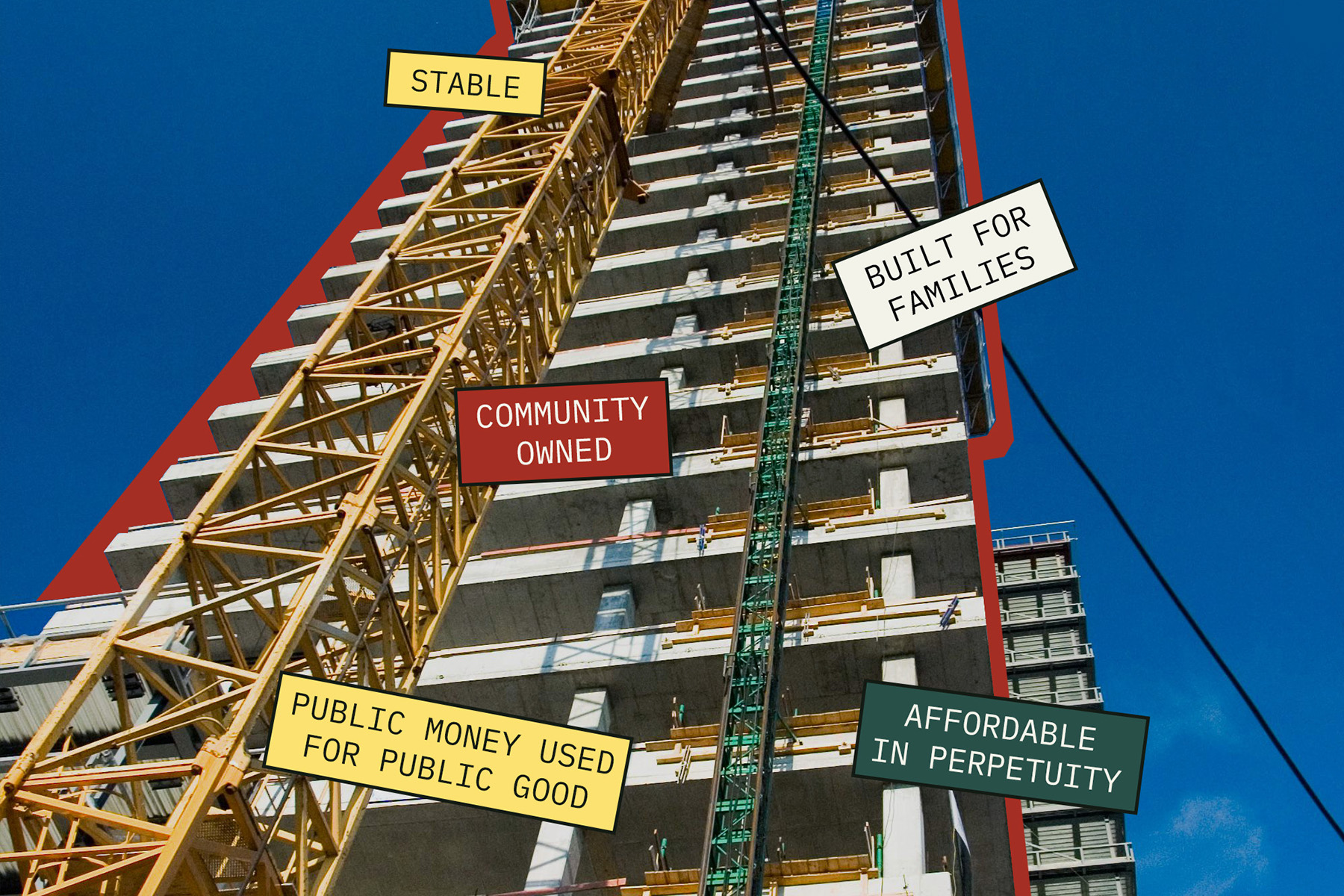
- Redirect public money to non-market housing. Most public dollars now pay the private sector to build. That is backwards. Public investment should build and protect homes outside the market: public, co-op, community land trust, and supportive housing. Fund the organizations that actually house and care for people, not the speculators who extract from them.
- Define the investment we will accept, and attach hard conditions to it. Keeping bad capital out is not enough. Government must set out clearly, in law, the kind of investment this country will accept and refuse. Any investment allowed in comes with binding, enforceable, permanent conditions that affirm human rights standards,ensuring it will
contribute to public value and the realization of the right to housing. This would be consistent with domestic legislation.
5. Put communities in charge, not foreign capital. Housing decisions belong to the people who live with them. Empower local communities and strip decision-making power from investors chasing returns. Meaningfully consult communities, those with lived experience of homelessness and experts in human rights, and make governments and institutions legally bound to act on those consultations. Ensure transparency and accountability if they fail to do so.
6. Do not reward those already profiting from violations of human rights. Any company identified in the UN Special Rapporteur’s July 2025 report, From economy of occupation to economy of genocide, invested in or profiting from Israel’s occupation and genocide in Gaza should be barred from investing in Canada. Profiting from serious violations of international law abroad should disqualify a company from buying into people’s homes and services here.
The moment
The Investment Summit begins September 14. Housing is not for sale, and neither is the wellbeing of the people who depend on it. We need a government that keeps capital serving people instead of the other way around, and that measures every housing decision by one test: does it protect human life and dignity, or does it put profit first. Any investment deal must pass this test, or it must be rejected.